

 jp
jp English
 русский
 Deutsch
 Español
 简体中文
简体中文サーボモータ MKT 精密遊星減速機
Cat:MKシリーズ遊星減速機
半導体デバイス、自動化機器、工作機械などの高精度を要求されるお客様のニーズにお応えします。 適用対象:ドアドライブ(プラネタリー、同軸シャフト) MKT 精密遊星減速機は、コンパクトで軽量な設計を誇り、スペースが貴重な用途に適しています。スペースを効率的に利用することでパフォーマンスが損なわれること...
詳細を見るコンテンツ
間違った減速機を選択すると、1 週間以内にそれがわかります。床から感じる振動、反転するたびにオーバーシュートするサーボ軸、60% の負荷でギアボックスが高温になるなどです。これらの失敗のほとんどは、計算が間違っていたか、選択中に完全にスキップされた 4 つまたは 5 つのパラメーターに遡ります。このガイドでは、最初から正しく理解できるように、それぞれについて説明します。
最も一般的なサイズ設定の間違いは、 連続トルク を選択対象とし、ピーク負荷を無視します。モーターは起動時や方向反転時にサージ トルクを発生し、その値は定常状態の 2 ~ 4 倍になる場合があります。のサービス係数を適用します 1.5~2.5× 減速機の定格出力と比較する前に、デューティサイクルの厳しさに基づいて計算されたピークトルクに換算します。
参考としてMKSシリーズ 高精度遊星減速機 の出力トルク範囲をカバーします。 18~2400Nm 6 つのフレーム サイズ (060 / 075 / 090 / 100 / 140 / 180) に対応しています。つまり、最初から適切なサイズに設定していれば、単一の製品ファミリーで小さなスカラ ジョイントから重い回転テーブルまであらゆるものに対応できます。
ギア比は 3 つのことを同時に行います。出力速度を低下させ、トルクを増大させ、そしてサーボ システムにとって重要ですが、モータに見られる反射負荷慣性を比の 2 乗で低減します。 5:1 減速機は、モーターにとって負荷が 25 倍軽く見えるようにします。だからこそ、この比率は単なる速度に対応する数値ではありません。サーボが仕様内で加速して安定できるかどうかを直接決定します。
一般的なサーボ アプリケーションの場合、ギアボックスを考慮した上で、負荷とモーターの慣性比を 10:1 未満に保ちます。ハイダイナミック軸の場合は、5:1 未満を目指します。単段 遊星減速機 通常、ユニットの範囲は 3:1 ~ 10:1 です。 2 ステージ構成では、効率を大幅に損なうことなく、これを 3:1 ~ 100:1 に押し上げます。
バックラッシュは、入力が固定されたときの出力シャフトの自由回転であり、分角で表されます。これは、位置決めの再現性を直接制限します。サーボの性能がいかに高くても、バックラッシュ 10 分弧の減速機は、±2 分弧精度を必要とするシステムをサポートできません。
| バックラッシ等級 | 代表的な範囲 | 適切な用途 |
|---|---|---|
| 高精度(P1) | ≤ 3 分弧 | ロボット、CNC、半導体装置、医療機器 |
| 標準(P2) | 3 ~ 8 分弧 | 包装、コンベヤ、一般自動化 |
| エコノミー | 8 ~ 15 分弧 | 非位置決めドライブ、マテリアルハンドリング |
MKSシリーズはバックラッシュを抑えます。 3 分弧 、精密層にしっかりと配置します。この数字は、組み立て時の公差を厳しくするだけでなく、テーパーローラーベアリングと精密研磨されたギアセットによって達成されます。ここではベアリングの選択が重要です。テーパー ローラーは、ラジアル荷重とアキシアル荷重の合計をボール ベアリングよりもはるかによく処理できるため、MKS のラジアル荷重容量は次のとおりです。 30,000N 軸方向容量は次の値に達します 27,000N .
A 遊星歯車減速機 出力シャフトには純粋なトルクが発生することはほとんどありません。ピニオン ドライブ、ベルトの張力、カンチレバーに取り付けられた負荷はすべて、ラジアル方向の力を生成します。これらの力がベアリングの定格ラジアル荷重を超えると、ギアが摩耗するずっと前に出力ベアリングが故障します。
トルクだけでなく、出力シャフトにかかる実際のラジアル力とアキシャル力を常に計算し、メーカーが公表している定格荷重と比較して確認してください。トルクのみに基づいて減速機を指定することは、現場でベアリングの早期故障を引き起こす最も信頼性の高い方法の 1 つです。
異なる製品ファミリーは、異なる制約に合わせて最適化されます。 MK シリーズ (MKS、MKT、MKB、MKEL、MKET) は、バックラッシュ、剛性、油漏れゼロが譲れない高精度遊星減速機用途 (ロボット工学、リチウム電池装置、レーザー切断、半導体製造) をターゲットとしています。 MP シリーズ (MPB、MPEB) は、3 分角以下の精度が不要な場合に、低騒音とコストを実現するために最適化されたヘリカル ギアの経済的な製品ラインです。 MKAT / MPAT シリーズは、同軸取り付けができないレイアウト向けに直角ベベルギヤステージを追加します。
選択順序は常に次の順序に従う必要があります: トルクの定義 (サービス係数あり) → 比の設定 (慣性チェックあり) → バックラッシ等級の確認 → ラジアル/アキシャル荷重容量の確認 → 取り付けインターフェースの選択。ステップを飛ばしたり、順番を間違えたりすると、高くつく間違いが発生します。
減速機の 機械的 定格トルクとその 熱 定格トルクは数値が異なります。継続的に高負荷がかかると、ハウジングが熱を放散できるよりも早く熱が蓄積します。熱制限を超えて運転すると、ギア自体に機械的な過負荷がかかっていない場合でも、潤滑剤が劣化し、ギアの摩耗が加速します。連続 60% を超えるデューティ サイクルの場合は、減速機の熱トルク制限を常に確認し、機械的なピークだけでなく、それがアプリケーションをカバーしていることを確認してください。
これらのチェック (トルクとサービスファクター、比と慣性一致、バックラッシュの程度、軸受の負荷容量、および熱定格) を組み合わせることが、10 年使用できる減速機と 3 か月で保証に戻る減速機を区別します。
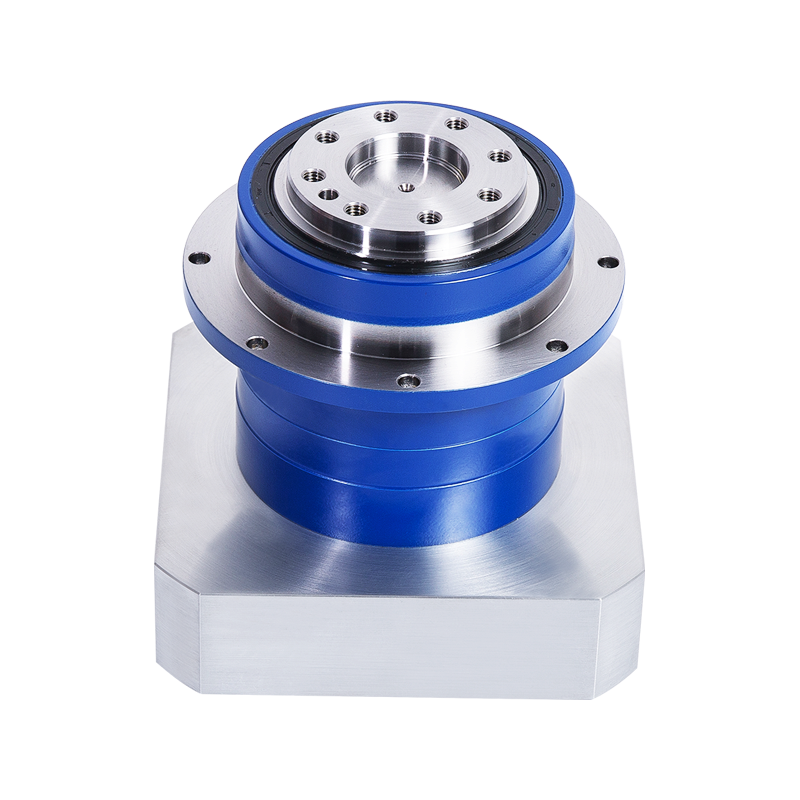
半導体デバイス、自動化機器、工作機械などの高精度を要求されるお客様のニーズにお応えします。 適用対象:ドアドライブ(プラネタリー、同軸シャフト) MKT 精密遊星減速機は、コンパクトで軽量な設計を誇り、スペースが貴重な用途に適しています。スペースを効率的に利用することでパフォーマンスが損なわれること...
詳細を見る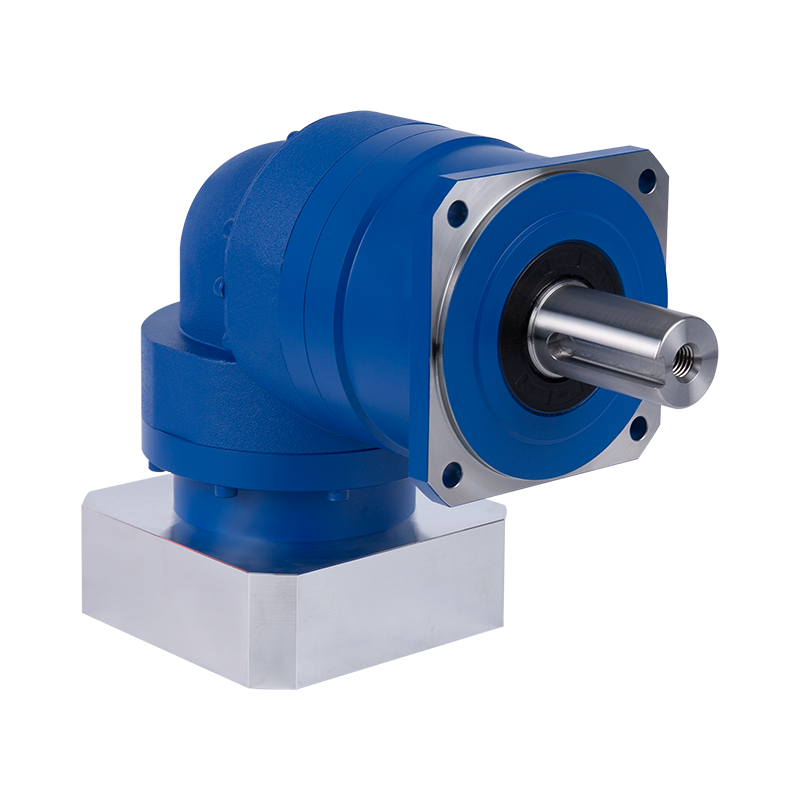
ボールベアリング、直交軸、より柔軟な設置 MKEB 遊星減速機は、遊星歯車技術の進歩の証であり、ボールベアリング直交軸を組み込んだ独特のデザインを特徴としています。この設計の選択により、コンパクトなフォームファクターで比類のない精度と耐久性が実現され、他とは一線を画します。 MKEB 遊...
詳細を見る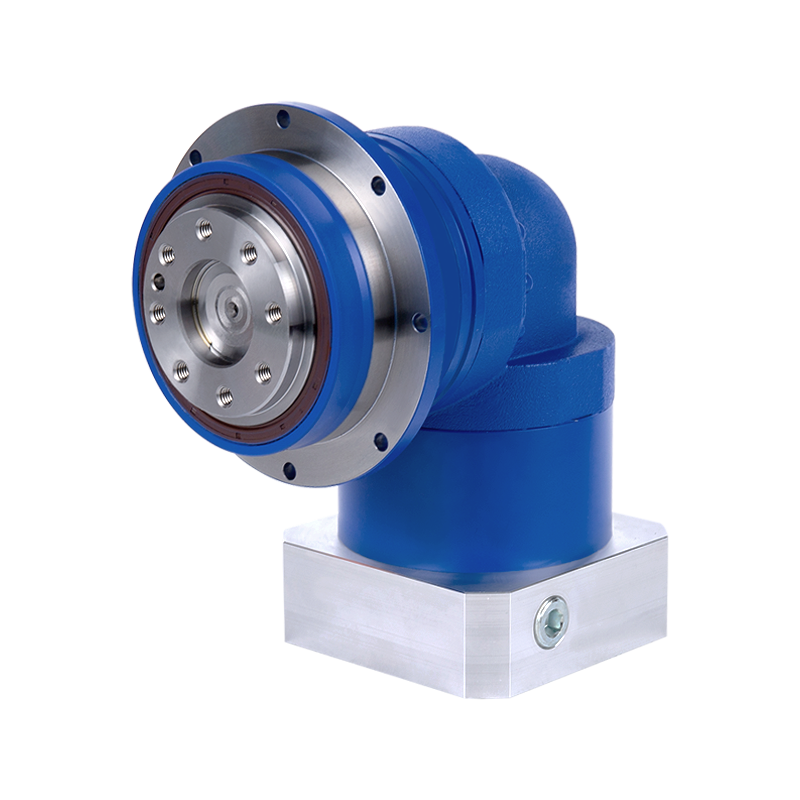
高出力かつコンパクトな要件を求めるお客様に最適 適用対象:クロスローラーベアリング、ドア駆動用(遊星、直交軸・中空軸) クロスローラーベアリングは、円筒ころを交差パターンで配置することにより、ラジアル荷重とアキシアル荷重の両方に耐えられるように設計されています。この配置により、コンパクトな設計を維持...
詳細を見る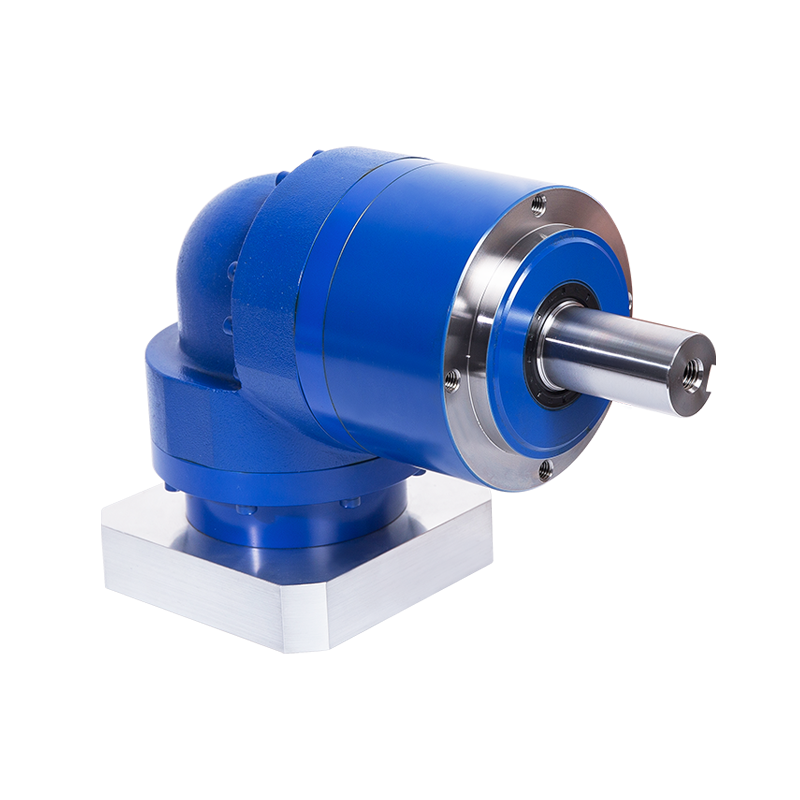
半導体製造プロセスの複雑な要求に合わせて特別に設計された MKEL 遊星減速機は、製造装置に統合され、比類のない精度、耐久性、効率を実現します。半導体製造では、高品質で欠陥のないマイクロチップや電子部品の生産を保証するために、細心の注意を払って動作する機械が必要です。この業界の課題には、サブミクロン...
詳細を見る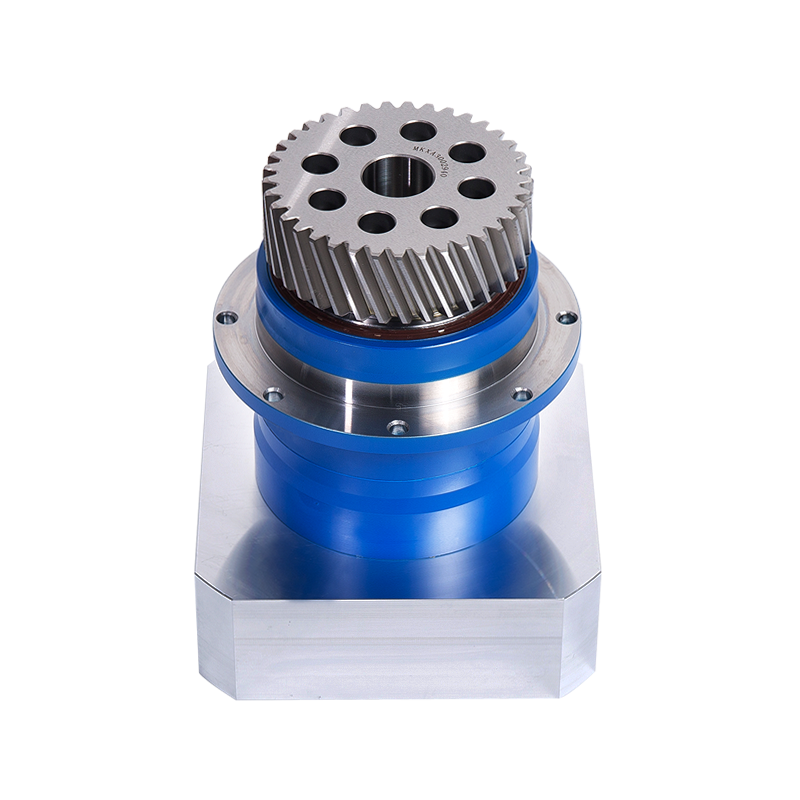
レーザー切断装置は限られたスペースで動作することが多く、効率を損なうことなくシームレスに統合できるモーションコントロールシステムが必要です。 MKTG 遊星減速機はコンパクトな設計なので、レーザー切断機の複雑なフレームワーク内にぴったりと収まり、精度を犠牲にすることなく利用可能なスペースを確実に利用...
詳細を見る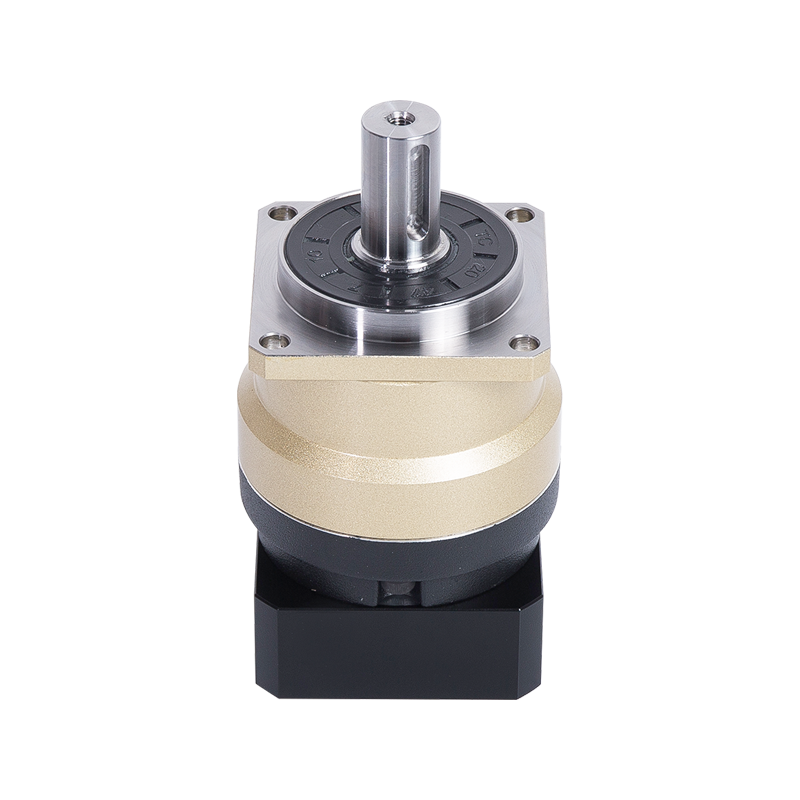
はすば歯車設計、高いバイト率、スムーズな動作、低騒音、低バックラッシュ。サンギアの出力シャフトベアリングはアーム内に直接設計されており、精度と同心性が保証されています。 MPB 低騒音経済スター減速機 独自の歯車配置により、減速機のコンパクト化だけでなく騒音発生の低減にも貢献します。星形構成によりギ...
詳細を見る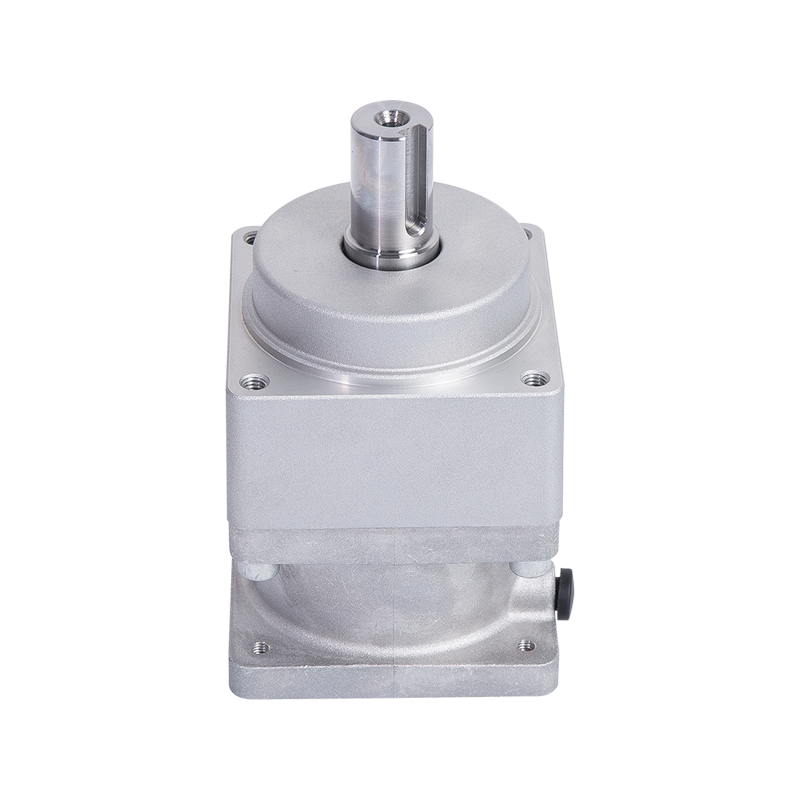
この MKGC-5C-400 高トルク耐久性のある経済的なスター減速機は、一般産業およびヘビーデューティ用途での安定したコスト効率の高い動力伝達用に設計されています。内部噛み合いスターギヤ構造を採用し、連続使用条件下でも信頼性の高い高トルク出力、スムーズな動作、低騒音を実現します。 硬化...
詳細を見る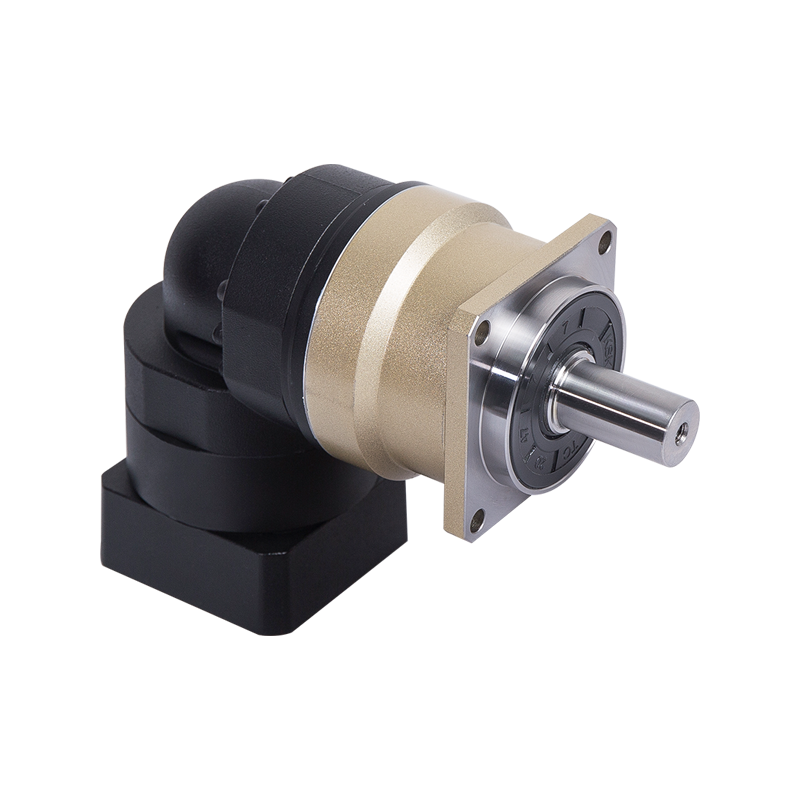
MPEB はすば歯車設計の経済的なスター減速機は、従来の平歯車とは異なります。はすば歯車の設計は、よりスムーズな動作、かみ合い率の増加、負荷分散の改善など、多くの利点をもたらします。この設計選択により、静かな動作を保証しながら効率的にトルクを伝達する減速機の能力が強化され、精度と低騒音が重要な用途に...
詳細を見る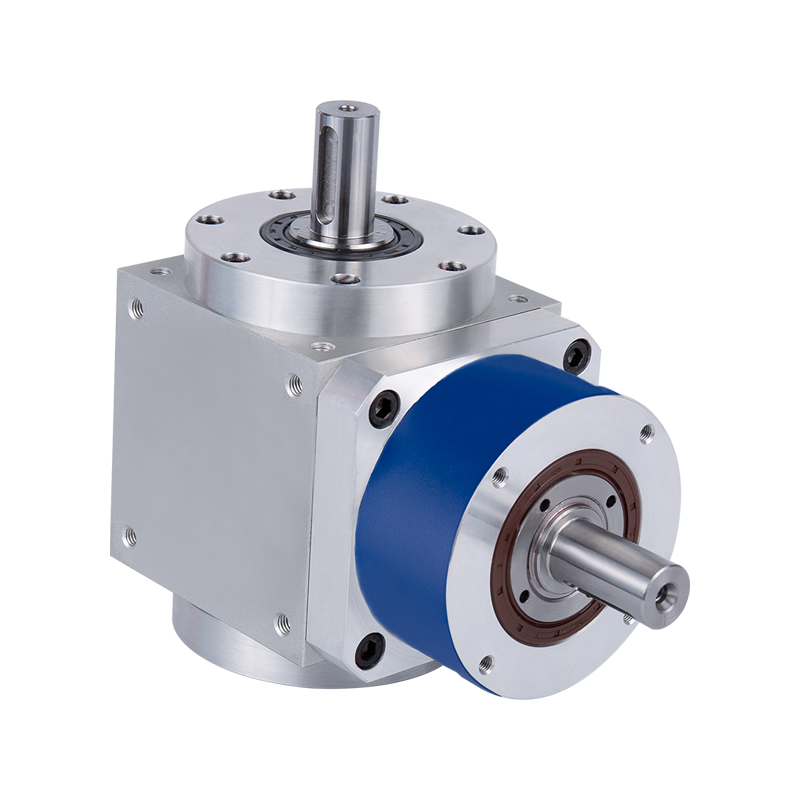
軽量設計と高効率伝動方式の採用により動的応答性を向上させ、高定格回転数、高動力用途を実現した高性能出力軸形遊星減速機です。構造設計では、システムの信頼性と安定性を確保するために、クイックスタートとストップ、頻繁な速度変更などの動的なアプリケーションシナリオを考慮する必要があります。さまざまな低速比要...
詳細を見る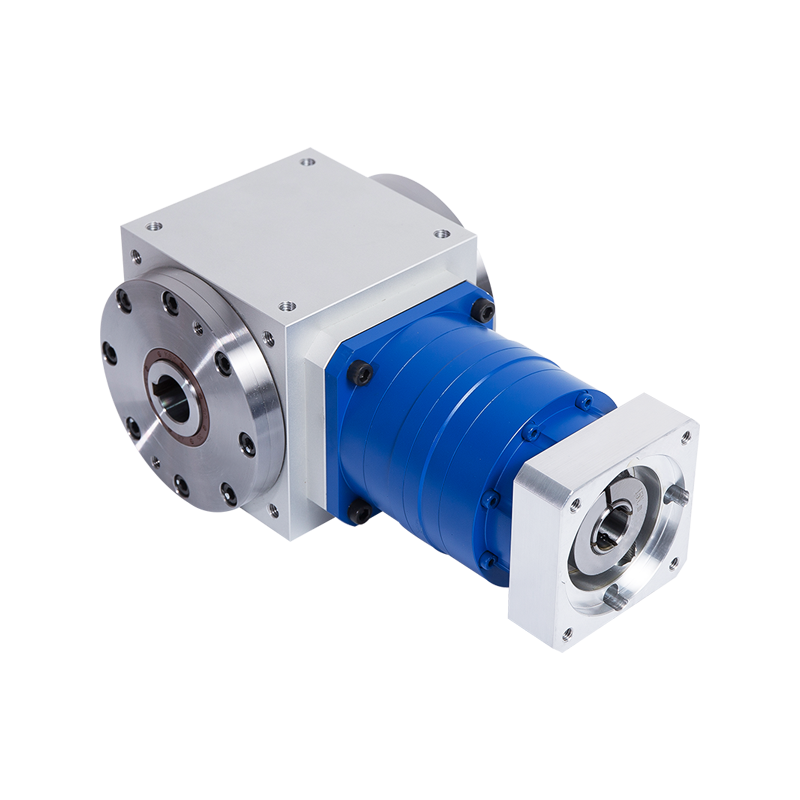
専用設計の中空型高精度スパイラルベベルギヤ減速機です。中空設計により、減速機の中央スペースが空になり、軸、ケーブル、パイプなどの材料を減速機を通して移送することができます。速度を抑えたい用途に適しています。ロボット、太陽追尾システムなどの機内材料搬送用途。戻りすきまが少なく、位置決め精度が高い高精度...
詳細を見る